
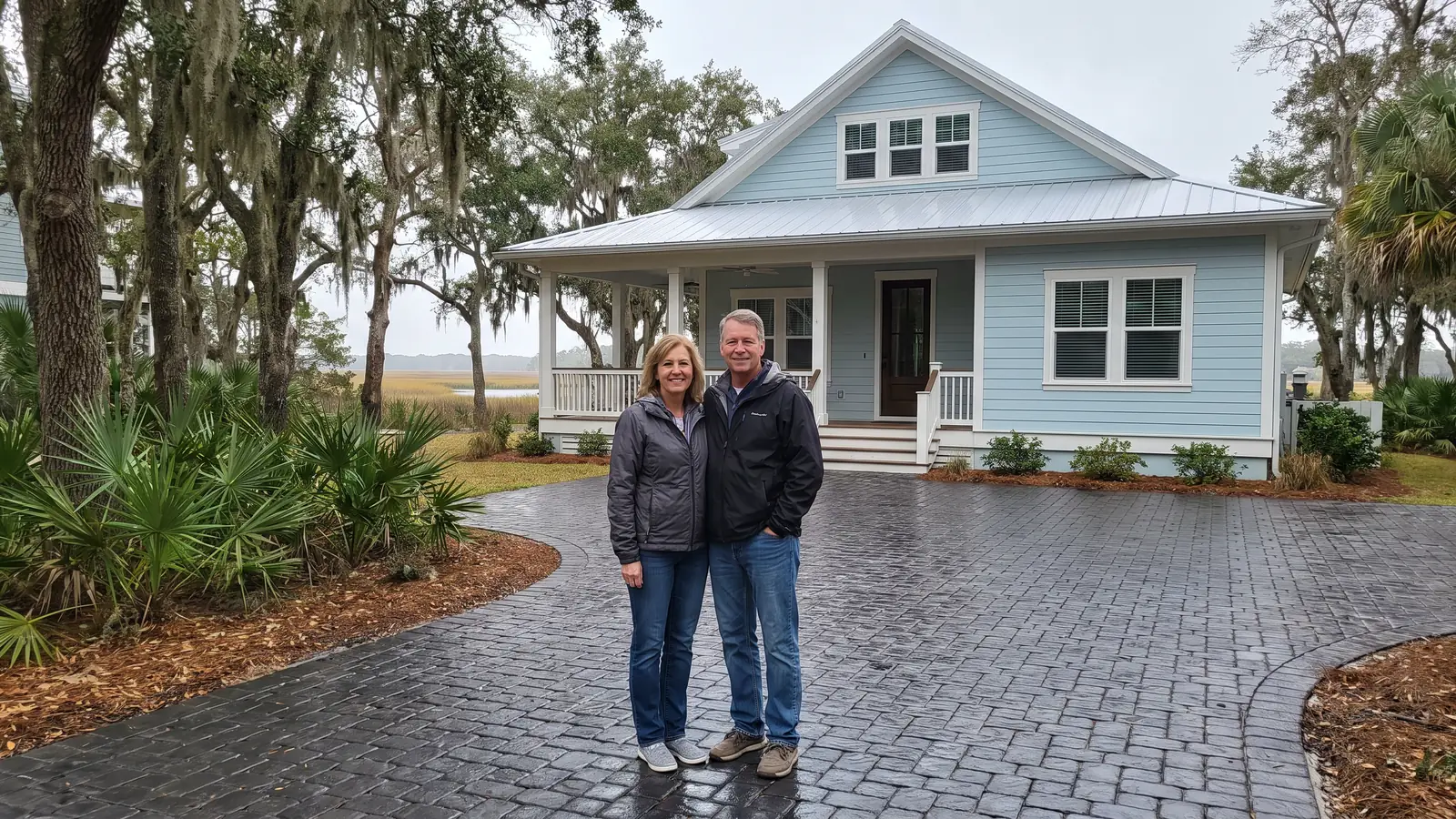
Paver sealing for Riverside homes
Paver Sealing in Riverside, FL
Roots, oaks and old bungalows: Riverside pavers can look cared for again, so call (912) 741-3281 for a free estimate.
- Brings out deeper paver color
- Fresh joint sand helps lock pavers in place
- Gives weeds less room to grow
- Makes the surface easier to keep clean
- Free estimate, no obligation
Request a Free Estimate
Free, no obligation.
Fast, careful paver sealing in Riverside
Paver sealing in Riverside starts with a free look at your walk, drive or patio. The contractor is local, and a reply lands within 1 business day, usually much sooner. To set the visit, call (912) 741-3281.
Say your front walk has been pushed up by oak roots, with green in the joints and brown leaf stain near the steps. Once the lifted spots are reset, washed, filled with sand and sealed, it lies flat and looks even. Ready for a number? You can ask for a free estimate online and describe what you see.
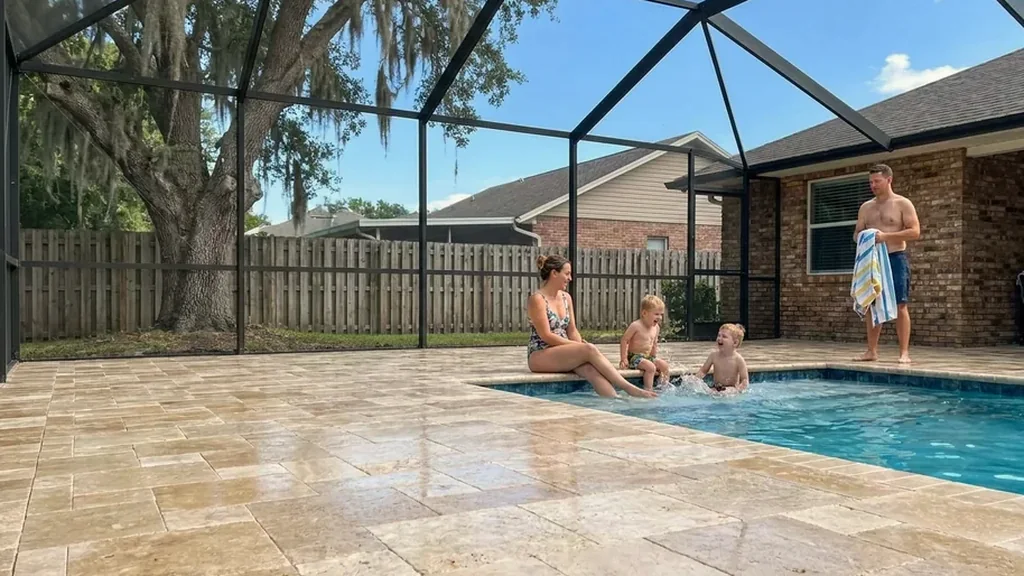
Why hire a local paver sealing contractor in Riverside?
Riverside lots are small, the oaks are old and the houses are older, so a contractor who knows the area saves you surprises. To talk it through, ask for a free estimate online.
Roots checked first
Before pricing, the contractor looks for lifted or sunken pavers near trees. Any repair is written into your quote.
A price range on record
Northeast Florida listings for a clean, sand and seal run $1.75 to $3.25 per square foot. Hold any Riverside quote up to that, and ask what each line covers.
No pressure, in writing
Ask questions, get a written price and take your time. Nothing is owed for the visit, and the date and the finish are yours to choose.
A fast answer
Messages get a reply inside 1 business day, usually much sooner, from someone who works this part of Jacksonville.
Get Your Free Estimate in Riverside
Tell us about your pavers in Riverside.
Free, no obligation
What paver problems show up most in Riverside?
Aging oaks and lifted pavers
Riverside and Avondale have a central canopy that is mostly laurel and water oaks planted after World War II. A local newspaper reported that such trees typically live about 60 to 70 years and are prone to disease and rot. A Jacksonville company says roots can lift a section, and sealing over a lift only preserves it. Repairs come before any coat, and a lifted corner near the porch steps is a common place to look. Look along the edge of the walk where the roots run. Walk the path from the street to the door and note every wobble. You can show the contractor each wobble.
Leaf stain and green film
Moss-draped oaks line Riverside's streets, according to the American Planning Association, and the shade is part of the charm. The same shade keeps pavers damp, and algae thrive in wet conditions. Leaf tannins also stain, and a Jacksonville company lists them among what a driveway collects, along with oil drips and sprinkler rust. Fresh stain lifts more easily than stain that has sat for years. Stains under a gutter drip line or beside a downspout often show first.
River surge and silt
Osceola Street and St. Silt from high water settles in joints, which means a lot that took water needs a full wash and fresh sand. Bring up any past flooding at the first visit.
Sand that rain carries off
About 52 inches of rain fall on Jacksonville in a year, most of it from May to September in short, heavy bursts. A local company reports that summer downpours wash sand out of unsealed joints. Gaps let weeds in and let water reach the base, which is how a flat walk starts to dip. A walk that looks fine from the street can show open joints up close. Open joints also let ants in, and sealed joint sand slows them.
A coat nobody can name
Riverside's historic district holds roughly 5,000 buildings, and many lots are small with narrow side access. A paver walk added to a bungalow may be decades old, with a coat nobody can name. A water-based product cannot follow a solvent-based one, so the old coat gets identified first, and a small test at the visit usually settles it. Patchy or peeling film is a clue it needs attention before anything new goes on.
Does a Riverside bungalow lot change how pavers get sealed?
Yes, because the lots are small and the access is tight. Jacksonville likely has the state's greatest number of bungalows, many of them in Riverside, and a narrow side yard means gear is carried in by hand. That adds time to a job, so tell the contractor about gates and steps when you ask for a free estimate online.
Riverside went through decay in the late 1950s and 1960s and had recovered by the late 1990s, with many homes restored to their original form. Avondale, planned in 1920, has hundreds of homes from the early 1920s, and Silvertown, an 1887 subdivision, has wood-frame houses that may date to the original development, so the mix of ages runs wide. Beside old wood, rinse water gets extra care. Phone (912) 741-3281 and say what your house is built from.
For exterior and site work such as driveways, the city requires a Certificate of Appropriateness on properties in historic districts. Once approved, the certificate is valid for 1 year, and after work begins it is valid for 5 years. The city page does not name sealing, so look up your address on the Land Development Map and ask staff. Then ask for a free estimate online and share what you learn.
What does paver sealing cost in Riverside?
Roots drive the price here more than the sealer does. Listed prices of $1.75 to $3.25 per square foot for a clean, sand and seal set the frame, and a walk with lifted pavers sits higher in it because resets take labor. Small walks add a little more per square foot. For your own figure, ask for a free estimate online.
Access matters on small lots. A narrow side yard means gear is carried in by hand, and a locked gate can slow the start. If old sealer has failed it may have to be stripped first, which adds cost. Phone (912) 741-3281 and ask which of those match your lot.
| Paved area | Typical example | Clean, sand and seal |
|---|---|---|
| 300 sq ft | Small patio or walkway | $525 to $975 |
| 600 sq ft | Two car driveway | $1,050 to $1,950 |
| 1,000 sq ft | Large driveway or pool deck | $1,750 to $3,250 |
| 1,500 sq ft | Driveway plus pool deck | $2,625 to $4,875 |
Math based on the $1.75 to $3.25 per square foot that Northeast Florida paver companies publish. Your contractor sets the actual price after seeing the surface. Repairs, leveling and stripping failed sealer are usually extra.
How does a paver sealing job work in Riverside?
Start at the roots
The contractor begins where trees meet pavers, looking for lifts, dips and loose edges. Each one is marked on a sketch or a photo, because a coat over a lifted paver keeps it lifted. Edges that have loosened are noted as well, since a loose edge lets pavers drift apart. Any older film on top is tested too, since the old and new products have to work together.
Lift off the stain and silt
Next comes the wash, aimed at tannin from oak leaves, algae in the shade and silt left by past high water. Rust or oil spots get their own treatment, including rust from sprinklers and oil from the street, though a Jacksonville company says the deepest stains may linger. Siding and garden beds are shielded from runoff. The rinse is kept moving so it does not pool against old foundations.
Reset, then refill
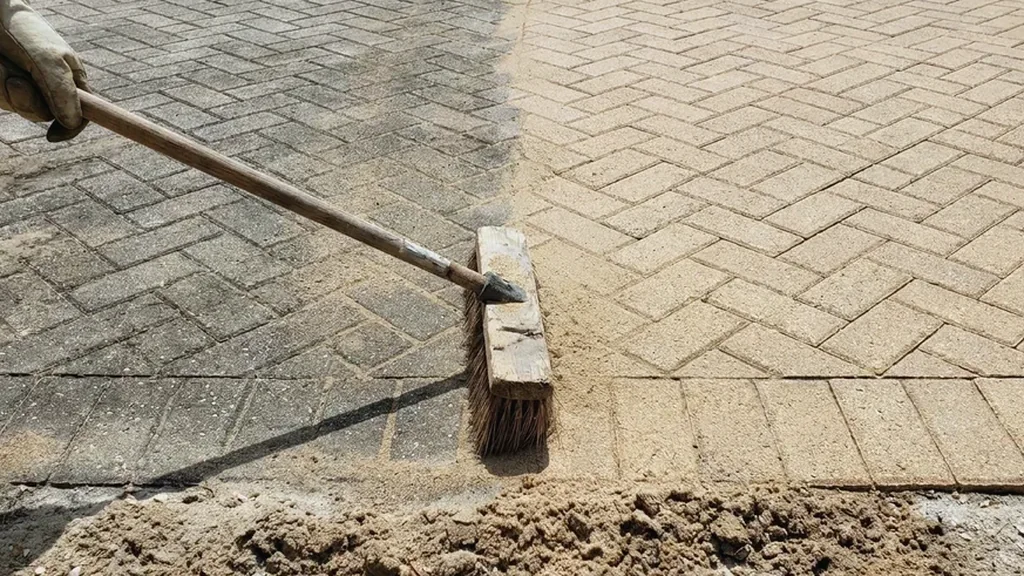
Marked pavers are lifted out and reset on a firm, leveled base. New joint sand then goes in everywhere the wash took it out, and loose grains are swept off the top. On a shaded walk, this step often decides how long the job holds.
Give the shade time to dry
Pavers under oaks dry slowly, and sealer wants a dry surface. A manufacturer bulletin calls for a full day after cleaning or rain. Waiting costs a day and avoids a cloudy white haze. Hurrying this step is the usual way a wet look turns cloudy.
Lay down the finish
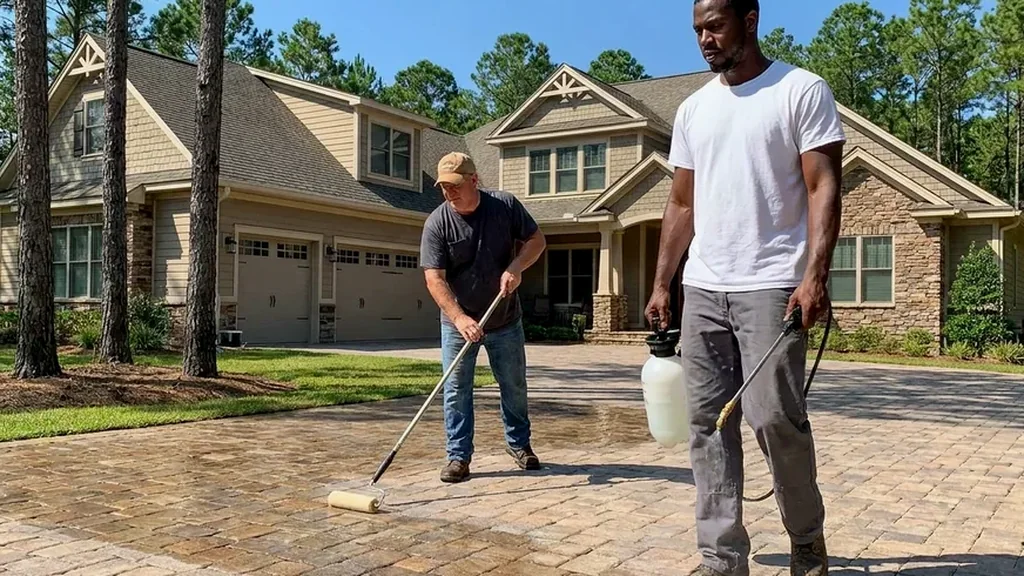
Sealer is sprayed on and then rolled out, so it reaches the joints and evens out. You choose how it looks, and the contractor says when feet and cars can go back on, in plain terms, usually hours for one and about a day for the other. If street parking is tight, plan where the cars will wait.
Complete paver services in Riverside
Think of a Riverside sealing job as five small jobs in a row: mark the lifts, wash, reset, refill and coat. Each one has to finish before the next begins, which is why a shaded lot can take longer than a sunny one. Roots can add a day of repairs. Call (912) 741-3281 to ask how your lot would be split up.
The surfaces differ from house to house. A bungalow's front walk is narrow and shaded, a driveway carries tires, and a back patio carries chairs and a grill. Which of yours needs the most work? You can ask for a free estimate online and send photos to help the contractor judge.
Sealer comes in two families, water-based and solvent-based, and the old coat sets the rule, since water-based will not go over solvent-based. Finish is the second choice, and a quiet matte often sits well beside an older porch. Call (912) 741-3281 and talk it over. A solvent-based coat is the one to ask about first.
Timing follows the weather. PaverGuard says spring and fall often bring the steadiest conditions, and that a damp surface should never be sealed. Summer storms can push a date, so you can ask for a free estimate online and name the weeks that suit you. The contractor keeps an eye on the sky.
Questions to ask before you hire
- Will the estimate list the square footage, the sealer and the number of coats?
- Will my homeowners association need to approve the color or the finish?
- How do you protect my grass and shrubs from the cleaner and the sealer?
- How often do pavers here need to be resealed?
- Can you clear the green algae along the edges near my sprinklers?
- Is the price per square foot, and does it include the wash and the joint sand?
- Can new pavers be sealed right after they are installed, or should I wait?
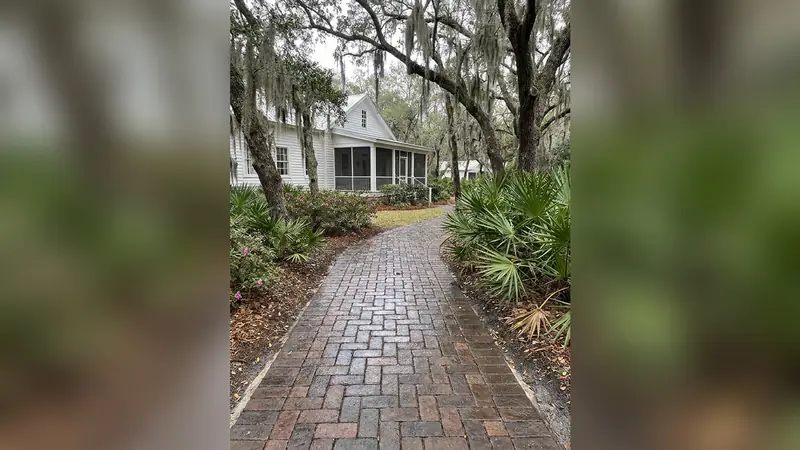
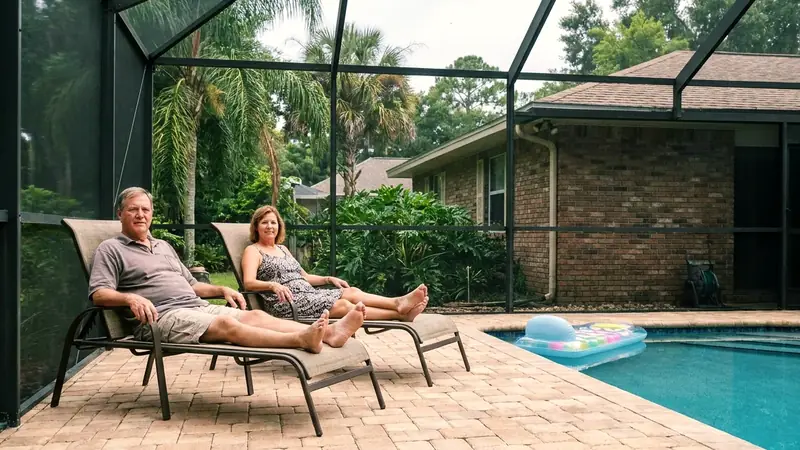
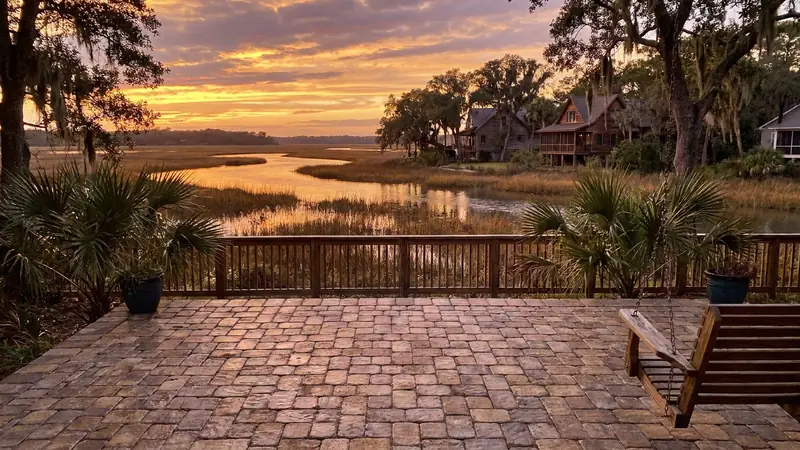
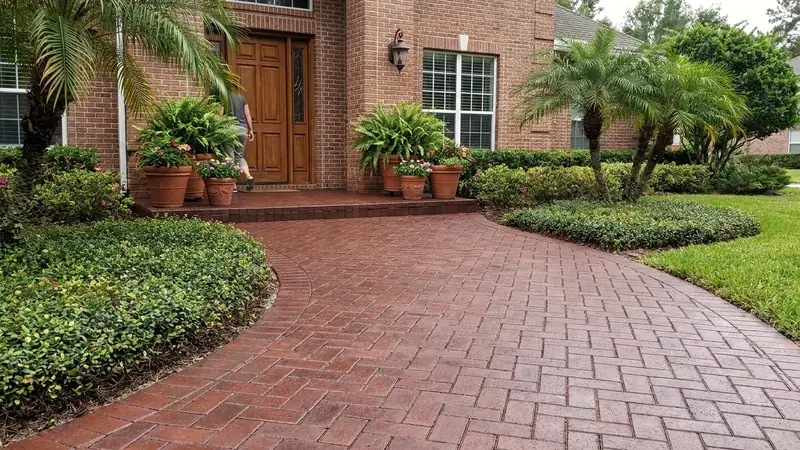
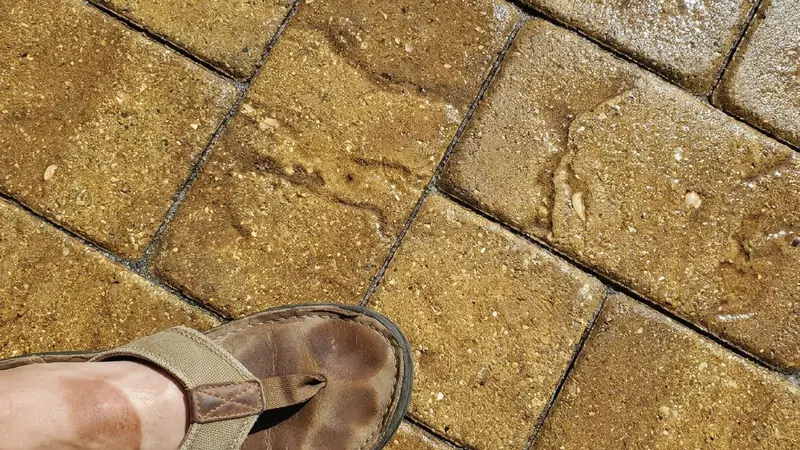
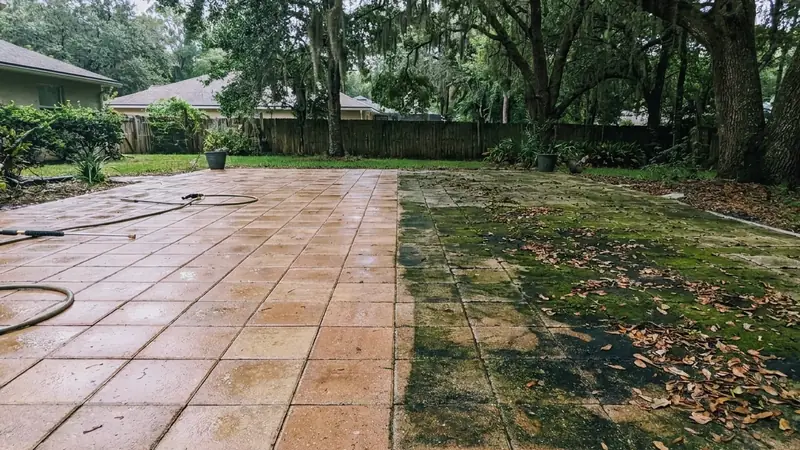
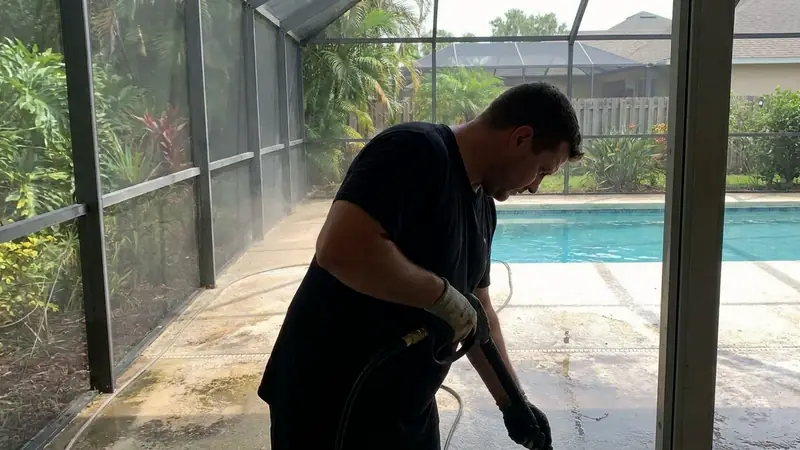
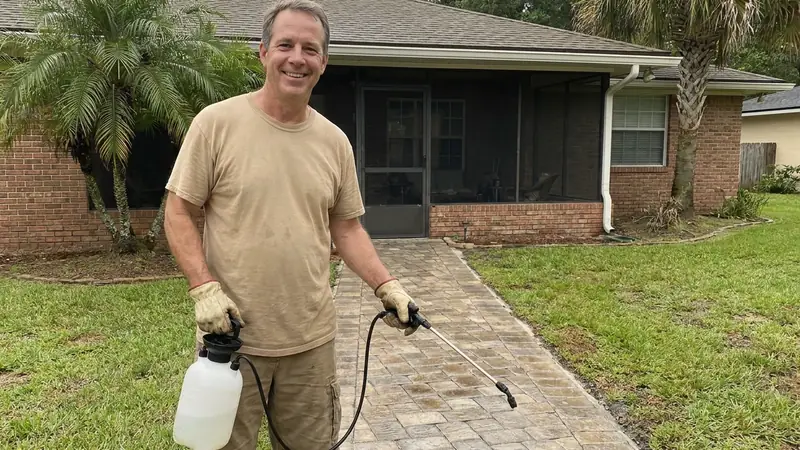
What do sealed pavers look like around Riverside?
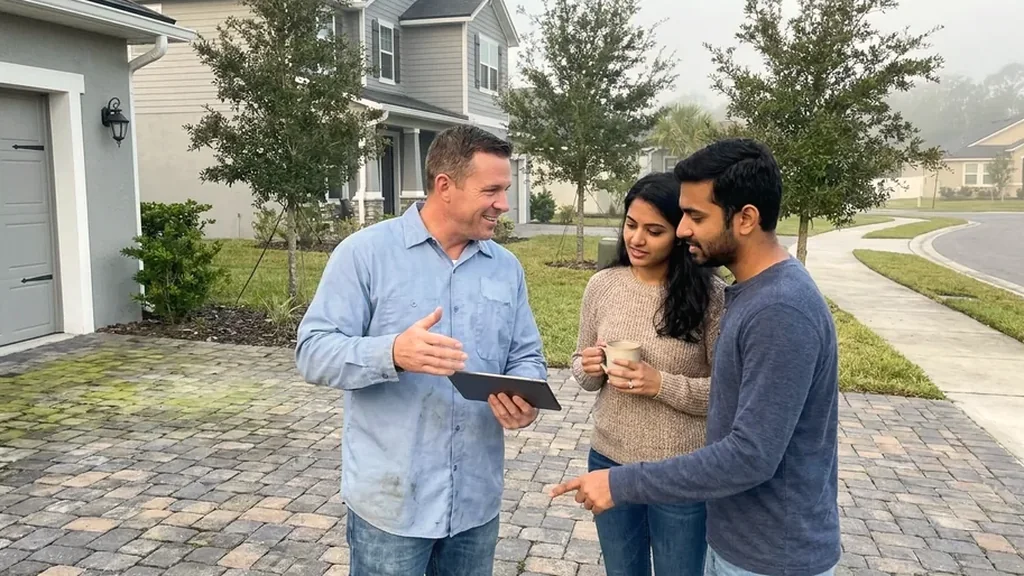
Why local matters in Riverside
Riverside and Avondale hold about 5,000 buildings, roughly 70 percent of them adding to the historic district, and the lots show it. Many have deep, narrow side yards. A contractor who has worked among them knows how tight a side yard can be. Call (912) 741-3281 and ask about gear and access.
Oaks planted after World War II typically live 60 to 70 years, so many Riverside canopies are old, and old trees mean roots under walks. A contractor who has met those roots plans repairs before sealing. You can ask for a free estimate online and mention the trees on your street. Name the oak that shades your walk.
River water matters here as well. Irma brought the highest storm surge on record to Riverside, and Ian flooded Osceola Street and St. Johns Avenue. If your lot has taken water, say so when you ask for a free estimate online. Low corners near the street are where silt settles.
Which Riverside landmarks can I name when I call for an estimate?
Five Points is the easiest to name. It is centered on Park, Lomax and Margaret Streets, and its Park Arcade Building was finished in 1928. Riverside Park opened in 1895, and Memorial Park lies along the river. The Riverside Arts Market meets Saturdays under the Fuller Warren Bridge at 715 Riverside Avenue, so call (912) 741-3281 if you live near any of these.
The historic district has 26 parks on more than 75 acres, among them Willow Branch Park at 15.61 acres. Riverside Avondale Preservation formed in 1974, and the Riverside Historic District, Jacksonville's first, joined the National Register in 1985. Yacht Basin Park sits at 2941 St. Johns Avenue. Tell the contractor the closest one when you ask for a free estimate online.
Most trees planted in Riverside and Avondale after World War II were laurel and water oaks, which typically live about 60 to 70 years. They are less hardy and more prone to disease and rot. Leaf litter from trees that size lands on the pavers below, so mention your canopy when you ask for a free estimate online.
The Riverside Avondale Historic District has 26 parks covering more than 75 acres, including Riverside Park at 11.4 acres and Willow Branch Park at 15.61 acres. Naming the park closest to your home gives a contractor an easy landmark. Call (912) 741-3281 with your street.
Frequently Asked Questions
Is it good to seal pavers in Riverside?
For a shaded Riverside walk, usually yes. Sealed joint sand holds firm and gives weeds little room, according to a Jacksonville company, and the coat shields the surface from leaf stain. It does wear down, so plan for fresh coats later, and watch for the point where color goes flat and water stops beading. Shade and falling leaves are the main wear factors on a Riverside walk, so check shaded stretches first. A matte finish looks natural beside older porches and brick steps, while a wet look gives deeper color. Ask the contractor to show how each finish reads on pavers like yours.
How much does it cost to re-sand and seal pavers in Riverside?
Budget $1.75 to $3.25 per square foot for the whole clean, sand and seal job, as Northeast Florida companies list it. Re-sanding is part of that package, since washing removes the old sand, and the sealer then locks the new sand in. Lifted pavers cost extra to reset. Get the square footage on paper so you can compare. Also ask whether sand and stain treatment sit inside the price, since those two items explain many gaps between bids.
What is the average cost to seal pavers in Riverside?
Across Northeast Florida the going figure runs $1.75 to $3.25 per square foot. Short walks lean higher, because prep takes the same time on a small area as on a larger one. Roots, old film and tight access push a Riverside price up, and open lots keep it down. The way to compare two bids is by area, steps and finish, in that order.
Why is paver sealing so expensive?
The sealer is the small part. A Jacksonville company counts 2 to 3 hours of prep for every hour of sealing, with washing, sand, drying and sometimes stripping all adding labor. Add the wait between steps and the job needs more than a quick spray. A low price that skips the wash or the sand usually leaves the work half done.
Will dish soap clean pavers before sealing in Riverside?
Skip the soap and let the contractor choose the method. Oil, rust and other marks do not always come out, a Jacksonville company notes, and sealer would lock in whatever remains. Cleaning is also timed to your surface and the old siding nearby, which a store-bought product does not know about. If you are unsure what your pavers are made of, the contractor can tell at the visit.
Is it a good idea to pressure wash pavers in Riverside?
Only at a safe setting. PaverGuard warns that harsh pressure can loosen joints, wear the surface and knock out the sand. A careful wash is followed by new sand, which keeps old walks firm. Ask how the wash will be done before you agree, and ask what pressure is used on older brick or thin pavers.
Do I need city approval to seal pavers in the Riverside historic district?
It depends on your address. Jacksonville asks for a Certificate of Appropriateness for exterior and site work in historic districts, naming driveways as an example, though its page never mentions sealing. Look up your address on the Land Development Map, then ask city staff. An approved certificate lasts 1 year, or 5 once work begins. Timing matters, so confirm before booking a date.
Should lifted pavers be fixed before sealing in Riverside?
Yes. A coat over a lifted paver only keeps it lifted, so resets come first. Oak roots near the walk and the street edge are the usual culprits, and a lifted paver can also catch a toe or a stroller wheel. Point them out at the visit and the contractor can price the repairs separately. A reset takes more labor than a wash, so it helps to see it as its own line.
Nearby areas we serve
Ready for a Free Estimate in Riverside?
Call (912) 741-3281 and tell us about your pavers.
Free, no obligation